 shawnphoon02-25给这本书评了4.0
《读懂 "十五五",高质量发展新征程》书评权威力作,擘画发展蓝图《读懂 "十五五",高质量发展新征程》是由张军扩、蔡昉、朱克力等权威经济学家领衔,联合多位政策制定者、智库学者与行业专家共同撰写的重磅著作。作为 2025 年 11 月由中信出版集团出版的精品图书,该书不仅荣获 "2025 十大金融图书" 称号,更为读者理解 "十五五" 时期中国经济发展提供了权威解读。七大维度,系统解析发展命题本书最突出的特色在于其系统性的分析框架。作者团队从七大维度展开深入剖析:宏观形势与经济运行、新质生产力与高质量发展、数智赋能与未来产业、全面深化改革与制度创新、财政金融与政策转型、"反内卷" 与区域协调发展、投资于人与民生服务。这种多维度的分析视角,确保了读者能够全面把握 "十五五" 时期中国经济发展的核心命题。理论实践结合,揭示转型逻辑该书的一大亮点是理论解读与案例剖析的有机结合。通过深入分析,本书揭示了中国经济转型的底层逻辑与未来机遇。特别是在新质生产力发展方面,书中详细阐述了如何通过技术革命性突破、生产要素创新性配置、产业深度转型升级来催生新质生产力。这种从理论到实践的完整分析链条,为政府与企业提供了前瞻性指引。 权威作者阵容,确保专业水准本书的作者阵容堪称豪华。张军扩作为第十四届全国政协委员、中国发展研究基金会理事长、国务院发展研究中心原副主任,在宏观经济、区域经济、经济改革方面有着深厚造诣。蔡昉作为中国社会科学院学部委员、原副院长,长期研究中国经济改革和发展、人口和劳动经济学等领域。这样的权威团队确保了本书的专业水准和学术价值。时代价值突出,服务发展大局 "十五五" 时期是中国迈向第二个百年奋斗目标、基本实现社会主义现代化的战略决胜期。本书的出版恰逢其时,为科学谋划 "十五五" 规划提供了重要的理论支撑和实践参考。书中不仅阐述了发展理念、指导方针、主要目标和战略布局,更重要的是为读者把握宏观大势、科学制定决策提供了有力工具。实用性强,受众广泛本书的另一个重要特点是其广泛的适用性。无论是政府决策者、企业管理者,还是学术研究者、普通读者,都能从中获得有价值的信息和启示。通过理论解读、政策研判与案例剖析,本书帮助不同背景的读者理解中国经济转型的底层逻辑与未来机遇。 结语《读懂 "十五五",高质量发展新征程》是一部兼具理论深度和实践价值的重要著作。它不仅为理解 "十五五" 规划提供了权威解读,更为推动高质量发展新征程贡献了智慧力量。在当前复杂多变的国内外环境下,这本书的出版具有重要的现实意义和深远的历史意义,值得每一位关心中国发展的读者细细品读。
转发转发同时评论快速转发评论20分享「微信」扫码分享霹雳黑猪2025-12-30给这本书评了4.0搞懂政策,寻找机遇这本书最有价值的地方,首先在于它清晰而精准的战略定位。它明确指出,“十五五” 这五年非同寻常 —— 这是中国迈向第二个百年奋斗目标、基本实现社会主义现代化的 “决胜五年”。这意味着,过去那种随大势 “搭便车”、普遍增长的阶段已经结束,未来五年更需攻坚克难,也将更具决定性。书中通过和 “十四五” 对比,点明了战略重心的转变:从 “把握战略机遇期” 转为应对 “战略机遇和风险挑战并存期”,从全面布局转向关键领域的战略性突破。这种宏观层面的准确分析,为全书的深入探讨奠定了扎实基础。在此基础上,这本书构建了一个系统而全面的分析框架,围绕七大维度展开,几乎涵盖了经济高质量发展的所有核心议题。难得的是,它没有泛泛而谈。书一开始,张军扩就提出了三大 “关键性决定性任务”:提振消费、稳定房地产市场、实现高水平科技自立自强。这三点正好对应了中国经济当前的短期压力(内需不足)、中期挑战(防风险)和长期根本(创新驱动),体现出作者团队深刻的问题意识和现实关怀。这种从宏观到微观、从战略到任务的层层剖析,让本书既有思想高度,又十分接地气。特别值得称赞的是,本书在解释 “新质生产力” 这类战略概念时,把握得非常好。它没有空喊口号,而是把概念放到实际的产业变革中去观察。书中既展望了人工智能、低空经济等未来产业的创新生态,也冷静提醒要 “防止一哄而上、重复建设”,强调各地应立足自身条件,合理设定目标。这种辩证的视角,呼应了中央 “因地制宜发展新质生产力” 的要求,也为各地避免同质化竞争、走适合自己的高质量发展之路提供了理性参考。此外,这本书还有一个鲜明特点,就是始终带着 “民生” 温度。在结尾部分,迟福林强调 “十五五” 时期要贯彻 “民生为大” 的发展理念。这不仅是一种价值回归,更被视作一种发展战略。通过增加居民收入、完善社会保障来稳定社会预期、释放消费潜力,实际上是为经济增长构建可持续的内生动力。这种把人的发展与经济增长紧密相连的逻辑,使得书中的政策建议既坚韧有力,又充满人文关怀。
转发转发同时评论快速转发评论17分享「微信」扫码分享 笑自来02-20给这本书评了4.0内容太高端
凡人,看看就行了
转发转发同时评论快速转发评论7分享「微信」扫码分享 學澩03-31给这本书评了5.0十五五
十五五是中国迈向新征程的最关键的 5 年,历史的格局发生了翻天覆地的变化。尤其是外部环境。在寻求一个和平发展的外部环境。相对来说比较困难。 这个人工智能新能源与高科技航空航天等产业不断的发展。我们如何冲出重围?
转发转发同时评论快速转发评论6分享「微信」扫码分享东弥笑06-11给这本书评了4.0这是一场以人为中心,通过改革驱动升级,利用压力倒逼自强的国家转型战。1. 发展是解决我国一切问题的基础和关键,但新时代发展的核心要义就是高质量发展。发展是硬道理,没发展啥都白搭。但现在咱们不搞大水漫灌那套了,重点得讲究质量,要那种实打实的好日子,而不是光看数字好看。就像吃饭。以前咱们穷的时候,追求的是吃饱,能填饱肚子就是王道(解决基础问题)。现在咱们生活好了,再吃很多廉价快餐也没意义,得追求吃好,要营养均衡、要食材健康、要吃出幸福感(高质量发展)。光胖不算强,体脂率低、身体棒才是真的好。2. 发展新质生产力,必须进一步全面深化改革,形成与之相适应的新型生产关系。生产力不会自动落地,体制得跟上。要想搞出高科技的新产业,老规矩就得变。光有好技术不行,得把那些束缚手脚的条条框框(体制)给改了,不然好东西也落不了地。就像跑车和乡间土路。造出了一辆 F1 赛车(新质生产力),结果路还是泥巴路、还得过收费站,限速 20 码(旧的生产关系、体制),这车再快也跑不起来。必须得修高速、取消路障、甚至重新制定交通规则,车才能发挥威力。3. 外部的压力可以转化为国内做大做强内循环的动力。危中有机不是空话,关键看怎么转。别人越是卡我们脖子,我们越要把自家市场做大做强。这叫置之死地而后生,危机里头藏着机会,就看能不能接得住。就像健身。当举起重物压迫肌肉时,肌肉纤维会撕裂,但这正是它变强壮的前提(外部压力)。如果因为疼就躺平,那就是真受伤了;但如果咬牙坚持,身体就会修复得比原来更粗壮(内循环动力)。别人不卖给我们哑铃,我们就自己造哑铃,顺便把自己练成了肌肉猛男。4. 十五五,要以民生为大,民生一头连着经济,一头连着社会。所有宏观命题最终都回到人身上。接下来这五年(十五五),好不好全看老百姓日子过得咋样。不管是搞经济还是搞建设,最后都得落到能不能让大伙儿兜里有钱、心里有底,人才是根本。就像种树。经济政策、产业升级都是树干和枝叶。但如果想让树长得好,不能只刷油漆在树叶上(只看 GDP 数字),得浇水施肥照顾树根(民生)。根要是烂了,树长得再高也会倒。所有的宏图伟业,最后都是为了让家门口的那棵大树能遮风挡雨,让能在树下乘凉。总之,中国未来的路,不再单纯追求长胖(规模速度),而是要练肌肉(高质量发展)。为此,必须通过自我革命(深化改革)打通堵点,把外部的使绊子(外部压力)变成强身健体的机会,而这一切的最终目的,都是为了让老百姓(民生)真正受益。
转发转发同时评论快速转发评论4分享「微信」扫码分享胡巍 语文老师03-09给这本书评了5.0我们活在一个追求 “速成” 的时代,三分钟学会技能,七天改变人生,一年实现财务自由。负债却逼迫我们接受一个事实:有些路,真的要走很久,它不是惩罚,而是让时间回到它本来的刻度,每月还一点,利息少一点,进度慢一点,在这种近乎笨拙的节奏里,反而触摸到生活真实的样子 —— 原来正常的呼吸,比急促的喘息更持久。我也见过那些被负债压垮的人,他们不是输给了钱,是输给了自己。有人因为羞愧切断所有联系,把自己活成一座孤岛。有人把希望寄托在下一个赌注,用新的债务掩盖旧的伤口。有人不断追问 “凭什么是我”,却忘了问 “这段经历想教会我什么”。而那些真正走出来的人,后来都活得更透。他们不再用消费证明自己,不再用成功定义价值,不再用别人的眼光丈量人生。
转发转发同时评论快速转发评论4分享「微信」扫码分享我不是温老师01-27给这本书评了4.0通过规划看机会三大重点任务:一是有效提升消费者消费能力和消费信心,加快形成扩大消费长效机制,持续有效扩大消费需求;二是有效恢复房地产市场信心,释放正常住房需求,加快形成房地产发展新模式,促进房地产市场止跌回稳;三是加快实现更高水平科技自立自强,既加强重大科技攻关,有效解决卡脖子问题,又切实加强我国基础研究,增强前沿创新能力,为更长时期的创新发展奠定基础。专注解决民生问题的十五五。
转发转发同时评论快速转发评论3分享「微信」扫码分享 板栗01-17给这本书评了5.0财政可持续
本书深刻剖析了我国财政政策的转型路径。蔡昉指出,17 年积极财政政策成效显著,但需突破 3% 赤字率约束,转向功能财政,优化债务结构,有效应对人口老龄化、数字经济等新挑战,确保财政可持续性
转发转发同时评论快速转发评论2分享「微信」扫码分享淡点武侯04-23给这本书评了4.0《读懂 "十五五":高质量发展新征程》精华总结 作者:张军扩 蔡昉 朱克力 等 出版社:中信出版集团 出版时间:2025 年 11 月一、时代背景与战略意义历史方位 "' 十五五 ' 时期是中国迈向第二个百年奋斗目标、基本实现社会主义现代化的战略决胜期。" 关键时间节点:2026-2030 年:"十五五" 规划实施期 2035 年远景目标:基本实现社会主义现代化历史交汇点:承前启后,既是 "十四五" 成果的延续,又是 2035 年目标的关键冲刺期全球环境 2.1 国际形势特征百年变局加速演进:国际力量对比深刻调整科技革命深入发展:人工智能、量子计算等颠覆性技术重塑产业格局全球治理变革:多边主义与单边主义博弈加剧产业链重构:安全与效率并重的全球供应链重组 2.2 国内发展基础 "十四五" 成就:经济高质量发展取得新成效,现代化产业体系初步构建发展瓶颈:不平衡不充分问题依然突出,关键核心技术受制于人转型压力:传统发展模式难以为继,新动能培育亟待突破二、核心发展理念高质量发展新内涵 1.1 本质要求创新成为第一动力:科技自立自强支撑现代化建设协调成为内生特点:区域、城乡、经济社会协调发展绿色成为普遍形态:人与自然和谐共生的现代化开放成为必由之路:高水平制度型开放共享成为根本目的:共同富裕取得实质性进展 1.2 实践路径 "高质量发展不是简单的经济增速调整,而是发展理念、发展方式、发展动力的系统性变革。" 三大转变:从要素驱动向创新驱动转变从规模速度型向质量效益型转变 从不平衡不充分向协调均衡转变新质生产力培育 2.1 核心内涵科技创新主导:原创性、颠覆性科技创新突破全要素生产率提升:技术、人才、数据等要素优化配置产业深度转型:传统产业高端化、智能化、绿色化新产业新业态:数字经济、生物经济、绿色经济等新增长点 2.2 实施重点创新生态建设:强化国家战略科技力量企业创新主体地位提升人才引领发展战略科技金融深度融合产业升级路径:传统产业 "老树发新芽" 战略性新兴产业 "培育壮大" 未来产业 "前瞻布局" 服务业高质量发展三、关键战略任务数智赋能与未来产业 1.1 数字经济发展核心战略:数字基础设施:5G、算力网络、工业互联网等新型基建数据要素市场:数据产权、流通交易、收益分配制度改革数字技术融合:AI+、5G+、区块链 + 等深度融合应用数字治理能力:网络安全、数据安全、算法治理 1.2 未来产业布局重点方向:人工智能:大模型、具身智能、类脑计算量子科技:量子计算、量子通信、量子测量生物制造:合成生物学、基因技术、细胞治疗空天开发:商业航天、低空经济、深空探测绿色能源:可控核聚变、新型储能、氢能全面深化改革 2.1 经济体制改革核心突破:高标准市场体系:统一开放、竞争有序的市场环境国资国企改革:核心竞争力提升和功能优化民营经济支持:市场准入、融资支持、权益保护财税金融改革:现代财税制度、资本市场基础制度 2.2 制度型开放开放新格局:规则规制对接:CPTPP、DEPA 等高标准规则对接自贸区港升级:制度创新高地建设 "一带一路" 深化:高质量共建 "一带一路" 全球治理参与:气候变化、数字经济、贸易投资等规则制定人口高质量发展 3.1 人口战略转型核心挑战:少子化:总和生育率持续低于更替水平老龄化:60 岁以上人口占比快速提升人口流动:城乡、区域人口结构深刻变化 3.2 应对策略系统性解决方案:生育支持体系:降低生育、养育、教育成本银发经济:老年产品和服务供给体系人力资本提升:教育现代化、职业技能培训人口红利转型:从数量红利向质量红利转变 "以人口高质量发展支撑中国式现代化,要求把人口趋势性特征带来的挑战,同 ' 十五五 ' 期间的现代化目标结合研究。" 四、重大工程与政策支撑现代化基础设施体系 1.1 传统基建升级交通强国:综合立体交通网、智慧交通水利现代化:水网工程、防洪减灾、水资源配置能源革命:新型电力系统、能源储备体系 1.2 新型基建布局信息基础设施:算力网络、6G、卫星互联网融合基础设施:智能交通、智慧能源、数字孪生城市创新基础设施:大科学装置、科教基础设施绿色低碳转型 2.1 "双碳" 战略实施路径设计:能源绿色转型:非化石能源占比提升产业结构优化:高耗能行业绿色化改造碳市场建设:全国统一碳排放权交易市场绿色金融:气候投融资、ESG 投资 2.2 生态文明建设生态系统保护:山水林田湖草沙一体化保护污染防治攻坚:蓝天、碧水、净土保卫战深化生物多样性:国家公园体系建设安全发展保障 3.1 粮食安全耕地保护:18 亿亩耕地红线种业振兴:种源自主可控供应链韧性:粮食储备、流通、应急体系 3.2 能源安全多元供应:煤炭、油气、新能源协同储备能力:战略石油储备、天然气储备韧性提升:能源基础设施抗风险能力 3.3 产业链安全关键核心技术攻关:"卡脖子" 技术突破产业链备份系统:重要产品、关键技术备份供应链多元化:降低单一依赖风险五、社会治理与民生保障共同富裕推进 1.1 收入分配改革初次分配:提高劳动报酬占比再分配:税收、社保、转移支付调节第三次分配:慈善事业发展 1.2 区域协调发展重大战略深化:京津冀、长三角、粤港澳大湾区区域板块联动:东部创新、中部崛起、西部开发、东北振兴城乡融合:乡村振兴、新型城镇化公共服务提升 2.1 教育现代化基础教育优质均衡:城乡、区域教育差距缩小职业教育改革:产教融合、校企合作高等教育创新:世界一流大学和学科建设 2.2 健康中国建设公共卫生体系:疾病预防控制体系现代化医疗服务提升:优质医疗资源扩容下沉中医药传承创新:中医药特色优势发挥 2.3 社会保障完善多层次社保体系:基本养老、基本医疗、失业、工伤保险住房保障:租购并举、保障性住房建设一老一小:养老服务、托育服务体系建设六、实施保障与行动路径治理能力现代化 1.1 政府职能转变放管服改革深化:简政放权、放管结合、优化服务数字政府建设:一网通办、一网统管法治政府:依法行政、规范执法 1.2 基层治理创新党建引领:基层党组织战斗堡垒作用多元共治:政府、市场、社会协同智慧治理:大数据、AI 赋能基层治理要素保障体系 2.1 资金保障财政政策:积极的财政政策提质增效金融支持:多层次资本市场、普惠金融社会资本:PPP 模式、基础设施 REITs2.2 人才支撑战略科学家:顶尖人才引进培养卓越工程师:工程技术人才培养体系高技能人才:工匠精神培育、技能提升 2.3 创新生态创新平台:国家实验室、技术创新中心知识产权:创造、运用、保护、管理、服务创新文化:宽容失败、鼓励探索监测评估机制 3.1 指标体系高质量发展指标:经济发展:GDP 增速、全员劳动生产率创新驱动:R&D 投入强度、专利质量协调发展:城乡收入比、区域协调度绿色发展:单位 GDP 能耗、碳排放强度开放发展:外贸依存度、外资质量共享发展:居民收入增长、基尼系数 3.2 评估机制年度监测:关键指标动态跟踪中期评估:规划实施情况全面评估总结评估:五年规划实施效果评价七、核心观点与行动建议核心观点总结 1.1 历史方位判断 "' 十五五 ' 是决定中国能否在 2035 年基本实现社会主义现代化的关键五年。" 三大特征:转型攻坚期:发展方式转型、经济结构调整的关键阶段风险挑战期:外部环境复杂严峻,内部矛盾交织叠加机遇窗口期:新一轮科技革命和产业变革带来赶超机遇 1.2 发展逻辑重构新发展范式:从 "有没有" 转向 "好不好" 从 "快不快" 转向 "强不强" 从 "大不大" 转向 "优不优"1.3 系统思维方法 "高质量发展是系统工程,需要统筹发展和安全、效率和公平、活力和秩序、国内和国际等重大关系。" 行动建议 2.1 政府层面政策建议:前瞻性规划:科学制定目标,合理设置指标精准性施策:针对不同区域、不同行业分类指导协同性推进:部门协调、央地联动、政策协同包容性治理:公众参与、专家论证、风险评估 2.2 企业层面战略建议:创新驱动:加大研发投入,提升核心竞争力绿色转型:发展绿色技术,降低碳排放强度数字赋能:数字化转型,提升智能化水平全球布局:优化全球资源配置,提升国际竞争力 2.3 个人层面发展建议:终身学习:适应技术变革,提升技能水平创新创业:把握新机遇,投身新经济绿色生活:践行低碳生活方式社会责任:参与社会治理,贡献个人力量 八、结语:迈向现代化新征程历史使命 "十五五" 规划承载着:民族复兴的历史使命:为 2035 年基本实现现代化奠定坚实基础人民幸福的时代责任:满足人民对美好生活的向往人类进步的全球担当:为世界和平与发展贡献中国智慧未来展望 2.1 2035 年远景经济实力:人均 GDP 达到中等发达国家水平科技水平:关键核心技术实现重大突破社会建设:基本公共服务实现均等化生态文明:生态环境根本好转国家治理:国家治理体系和治理能力现代化基本实现 2.2 行动号召 "读懂 ' 十五五 ',就是读懂中国未来发展的蓝图;践行 ' 十五五 ',就是参与中华民族伟大复兴的历史进程。" 三大行动原则:保持战略定力:坚持高质量发展方向不动摇增强创新活力:勇于探索、敢于突破凝聚奋进合力:全社会共同参与、共同努力记住:"' 十五五 ' 不是终点,而是新起点。高质量发展不是选择题,而是必答题。中国式现代化不是遥不可及的梦想,而是正在书写的现实。"
转发转发同时评论快速转发评论1分享「微信」扫码分享 Mr.Young03-30给这本书评了4.0聚焦“十五五”,高质量发展新质生产力
本书聚焦 "十五五" 这个发展时段,中国即将迈向第二个百年奋斗目标,也是要基本实现社会主义现代化的战略关键期,系统解读未来五年中国经济社会发展的核心议题。本书主要从七个纬度阐述 "十五五" 时期的发展理念、指导方针、主要目标和战略布局,通过对理论的解读、政策的研判和案例的分析,揭示中国经济转型的底层逻辑与未来机遇。1. 宏观形势与经济运行:分析 "十五五" 时期国内外宏观经济环境,研判中国经济增长潜力、结构转型方向与风险挑战,明确高质量发展的宏观政策基调与运行逻辑。2. 新质生产力与高质量发展:聚焦新质生产力培育,解读科技创新与产业创新深度融合路径,强调以先进制造业为骨干构建现代化产业体系,巩固壮大实体经济根基。3. 数智赋能与未来产业:剖析数字经济、人工智能、大数据等数智技术对产业的赋能作用,展望未来产业发展方向,探索数实融合的新赛道与新模式。4. 全面深化改革与制度创新:围绕构建高水平社会主义市场经济体制,解读要素市场化配置、全国统一大市场建设、国企改革等关键领域的制度创新方向。5. 财政金融与政策转型:分析 “十五五” 财政政策、货币政策的转型方向,探讨金融服务实体经济、防范化解金融风险的路径,以及财税体制改革的重点任务。6.“反内卷” 与区域协调发展:聚焦区域发展不平衡问题,提出区域协调发展的新思路,破解 “内卷化” 困境,推动城乡融合、区域协同发展。7. 投资于人与民生服务:以改善民生为核心,解读就业、收入分配、社会保障、教育、医疗、养老等领域的政策部署,推动共同富裕迈出坚实步伐。本书是由国务院发展研究中心、中国社科院等顶尖机构专家领衔,兼具政策高度与学术深度,是理解 “十五五” 规划最可靠的思想支撑。系统全面,覆盖核心领域:从宏观到微观、从经济到民生,七大维度完整覆盖 “十五五” 规划核心内容,帮助读者构建对未来五年发展的全景认知。兼具理论与实践相结合,具有指导性和启发性:不只是政策文本解读,更通过案例剖析揭示转型逻辑,为政府决策、企业战略、个人发展提供前瞻性指引。通过阅读本书,能够把握国家战略方向,清晰理解 “十五五” 时期中国发展的总体目标、核心任务与政策脉络,看懂中国式现代化的关键路径。可以洞察到经济转型新机遇,掌握新质生产力、数智经济、区域协调等领域的发展趋势,识别产业、投资、就业的新机会。提升你的决策与规划能力,为政府部门、企业管理者、研究者提供分析框架,助力科学制定发展规划与应对策略。帮你理解民生发展的逻辑,读懂共同富裕、社会保障、公共服务均等化的政策内涵,明晰个人与家庭在未来五年的发展红利。教会你建立宏观思维框架,学会从全局视角理解中国经济社会发展,提升对复杂形势的研判能力与长期发展的信心。总之,这是一本政策与理论和实践相结合的关于未来五年发展规划的指导,给你全局视野,看清大势,更是帮你做好长期规划的理论参考,按照这个目标发展,助力赢在未来。
转发转发同时评论快速转发评论1分享「微信」扫码分享刘朔01-27给这本书评了4.0内容很好,有些套话可以挑着读
转发转发同时评论快速转发评论1分享「微信」扫码分享 我的世界你不懂01-21给这本书评了5.0期待十五五
相信祖国,相信政府,未来十年希望我们所有人都越来越好!
转发转发同时评论快速转发评论1分享「微信」扫码分享不再沉沦01-19给这本书评了5.0读后本书实质是一批宏观经济学家围绕 “十五五” 规划撰写的学术论文合集(或节选)。它并非政策汇编,而是直面规划落地必须解决的问题,从而构建了一个理解中国高质量发展新征程的 “系统性思维框架”。我向来对宏观经济学敬而远之 —— 既因兴趣不在此,也觉其离日常生活颇远。此次阅读,完全是出于多位我所敬重的学者在不同场合的郑重推荐。然而,我收获颇丰:首先,它提供了一份 “战略地形图”,系统性地提升了我的思考维度。其次,有学者以 “微笑曲线” 模型剖析中美博弈,令我耳目一新。 我曾学习该模型,却从未将其置于大国竞争背景下思考。这启发了我:一些我已知的模型或许也能跨界解释新问题。再者,有学者通过辨析 “所有制” 与 “所有权”,从 “管理资本” 的视角探讨国企与城乡改革,提出绝对与相对所有权、管理资本与管理国企等命题。角度之新,令我深思。本书文字直接、论证严谨,但因似为节选,论证过程并不详细,常以结论形式呈现。另一个发现是:不同作者的行文风格差异显著。“在野” 学者往往直抒己见,“在朝” 者则措辞含蓄 —— 或许也难逃 “屁股指挥脑袋” 之律。我不禁怀疑,在那些含蓄的文字之下,是否藏着未曾尽言的真心话。无论如何,本书清晰揭示:“十五五” 的核心课题是在多重目标与约束下寻求动态平衡。科技创新、绿色转型、安全发展、共同富裕等战略,绝非孤立篇章,而是必须协同推进的整体叙事。这要求决策者必须超越局部视角,建立 “动态全局观”。书中对深水区改革(如统一大市场建设、数字经济治理)不回避、不虚饰的探讨,尤为可贵。(由元宝与我共创。)The book is, in essence, a collection (or selection) of academic papers written by a group of macroeconomists centered on the "15th Five-Year Plan." It is not a compilation of policies, but rather confronts the issues that must be resolved for the plan's implementation, thereby constructing a "systematic thinking framework" for understanding China's new journey of high-quality development.I have always kept macroeconomics at a distance—both because my interests lie elsewhere and because it seemed far removed from daily life. Reading this book was entirely due to strong recommendations from several scholars I deeply respect on various formal occasions.However, my gains were substantial:Firstly, it provides a "strategic landscape map," systematically elevating the dimensions of my thinking.Secondly, some scholars used the "Smile Curve" model to analyze China-U.S. strategic competition, which felt refreshingly new to me. I had studied the model before but never considered it within the context of major-power rivalry. This inspired me: some models I already know might also be applied across different domains to explain or solve new problems.Furthermore, by distinguishing between "ownership system" and "ownership rights," scholars explored reforms of state-owned enterprises and urban-rural integration from the perspective of "managing capital," introducing concepts like absolute versus relative ownership and managing capital versus managing SOEs. The novelty of this angle gave me much to ponder.The writing in the book is direct and its arguments rigorous, but likely because it appears to be excerpts, the reasoning processes are not detailed and are often presented as conclusions.Another observation was the noticeable difference in writing styles among the authors. Scholars outside the establishment often state their views candidly, while those within the establishment tend to be more reserved in their wording—perhaps they too cannot avoid the tendency of "where one sits influencing where one stands." I cannot help but suspect that beneath those reserved words may lie thoughts not fully expressed.Regardless, the book clearly reveals that the core challenge of the "15th Five-Year Plan" is to seek dynamic balance among multiple objectives and constraints. Strategies like technological innovation, green transition, secure development, and common prosperity are by no means isolated chapters but must be advanced synergistically as an integrated narrative. This requires decision-makers to transcend partial perspectives and establish a "dynamic, holistic view." The book's candid and unvarnished discussion of deep-water reforms—such as building a unified national market and governing the digital economy—is particularly valuable.
转发转发同时评论快速转发评论1分享「微信」扫码分享Monte Carlo 精英怪05-26给这本书评了1.0感觉有些照本宣科,炫耀不好读
转发转发同时评论快速转发评论赞分享「微信」扫码分享董凌03-11给这本书评了5.0作为一个 50 岁的中年人,身处国企,还有 10 年退休,本书给我了一些方向的指引。一、在职业上:1. 成为 “数智化” 转型的复合型专家● 趋势: 规划纲要明确提出全面实施 **“人工智能 +” 行动 **,传统国企正在经历智能化、绿色化改造。● 机会: 您需要从单纯的 “管理 / 执行者” 向 “懂业务 + 懂数据” 的复合型人才转变。○ 具体方向: 掌握数字孪生、智能施工设备操作、数据分析和决策优化能力。在国企内部,能够利用 AI 工具优化流程、进行节能降碳技术改造的资深员工将极具价值。2. 深耕 “绿色双碳” 与 “新基建” 领域● 趋势: “十五五” 将大力发展新能源、新材料及算电协同(数据中心与电网协同)。● 机会: 如果您所在的国企涉及能源、建筑、制造或基础设施, “绿色转型” 是最大的红利。○ 具体方向: 关注企业内部的节能降碳岗位、碳资产管理或新基建项目的管理机会。这些领域需要经验丰富且懂政策的人来把控方向。3. 利用 “新八级工” 制度红利(若涉及技术岗)● 趋势: 国家正在深入实施 “新八级工” 制度,打通技能人才上升通道,提倡 “技高者多得” 。● 机会: 即使您是管理人员,若拥有专业技能,也可以参与首席技师、特级技师的评聘,这将直接提升退休前的薪酬待遇和退休后的社会地位。二、在我的资产配置上投资策略应从 “追求高增长” 转向 “低波动、高分红、确定性” ,同时紧跟国家 “壮大耐心资本” 的政策导向。1. 权益类资产:锁定 “红利” 与 “硬科技”● 策略: 采用 “哑铃型” 配置,一端求稳,一端求进。● 方向 A(防守):低波动、高分红资产○ 逻辑: 专家建议关注估值较低、分红稳定的股票类资产。○ 标的: 一线城市国企背景的公用事业(电力、水务)、高速公路、国有大行。这些企业现金流充沛,分红稳定,适合作为养老金补充。● 方向 B(进攻):新质生产力 ETF○ 逻辑: 避免选股风险,通过 ETF 参与国家战略。○ 标的: 科创 50ETF、芯片 ETF、或 “人工智能 +” 主题基金。国家正引导长期资金(社保、保险)入市,这些板块是 “十五五” 资金最密集的流向。2. 债券与固收:关注 “科技板” 债券● 趋势: 政策明确支持优质科技型企业发行债券,高质量建设债券市场 “科技板” 。● 机会: 配置一些科技创新公司债或可转债。可转债具有 “下有保底,上不封顶” 的特性,适合中年人群在控制风险的前提下博取股市上涨收益。3. 另类投资:银发经济与养老金融● 趋势: “十五五” 是人口老龄化从中度向重度演进的关键期, “银发经济” 将成为重要增长点。● 机会:○ 长期护理保险: 关注国家推行的长护险制度,为自己配置商业补充险,解决未来失能照护的资金问题。○ 养老理财产品: 关注银行推出的特定养老储蓄产品,这类产品通常期限较长、利率略高且风险较低。这是我读这本书的一些总结,和大家共享。
转发转发同时评论快速转发评论赞分享「微信」扫码分享黄鸟酒客03-09给这本书评了5.0有思想有格局的一本好书!推荐
转发转发同时评论快速转发评论赞分享「微信」扫码分享 一统天下03-08给这本书评了5.0
很好
转发转发同时评论快速转发评论赞分享「微信」扫码分享大兰子☘️03-08给这本书评了5.0认真读完,里面有些内容需要再理解!
转发转发同时评论快速转发评论赞分享「微信」扫码分享 张继斌02-18给这本书评了5.0十五五发展投资导读
全面系统解读了国家十五五规划发展的深层逻辑,对全面理解国家战略有非常好的指导作用,对投资的指导导向也会有很好的效果!建议大家阅读!
转发转发同时评论快速转发评论赞分享「微信」扫码分享马可02-17给这本书评了5.0“十五五”方向我国已进入新的五年计划 —“十五五”,专家们的解读值得一看并深刻理解,今后五年的三个重点发展方向:提振消费,稳住房地产,科技自强。读懂这些不一定能让我们赚多少钱,但可以指引我们如何避开那些明日黄花的领域。
转发转发同时评论快速转发评论赞分享「微信」扫码分享- 加载中...

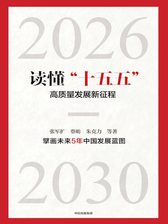 电子书
电子书读懂“十五五”:高质量发展新征程
“十五五”时期是中国迈向第二个百年奋斗目标、基本实现社会主义现代化的战略决胜期。科学谋划好“十五五”规划,对于指导未来五年乃至更长时间的经济社会发展具有重要意义。 本书由张军扩、蔡昉、朱克力等权威经济学家领衔,联合多位政策制定者、智库学者与行业专家,聚焦“十五五”时期中国经济发展的核心命题,从宏观形势与经济运行、新质生产力与高质量发展、数智赋能与未来产业、全面深化改革与制度创新、财政金融与政策转型、“反内卷”与区域协调发展、投资于人与民生服务七大维度展开系统分析,全面阐述这一时期的发展理念、指导方针、主要目标和战略布局。 通过理论解读、政策研判与案例剖析,本书揭示了中国经济转型的底层逻辑与未来机遇,为政府与企业提供前瞻性指引,助力实现高质量发展与民生福祉的协同提升,帮助读者把握宏观大势,科学制定决策。


